7 Resume Rules That Actually Get You Replies
Recruiters spend an average of 7.4 seconds on a resume. After reviewing thousands of resumes through the PathWand resume review program, we distilled the rules that consistently move candidates from "applied" to "interview" — and the ones you can safely ignore.
April 22, 2026 · 6 mins
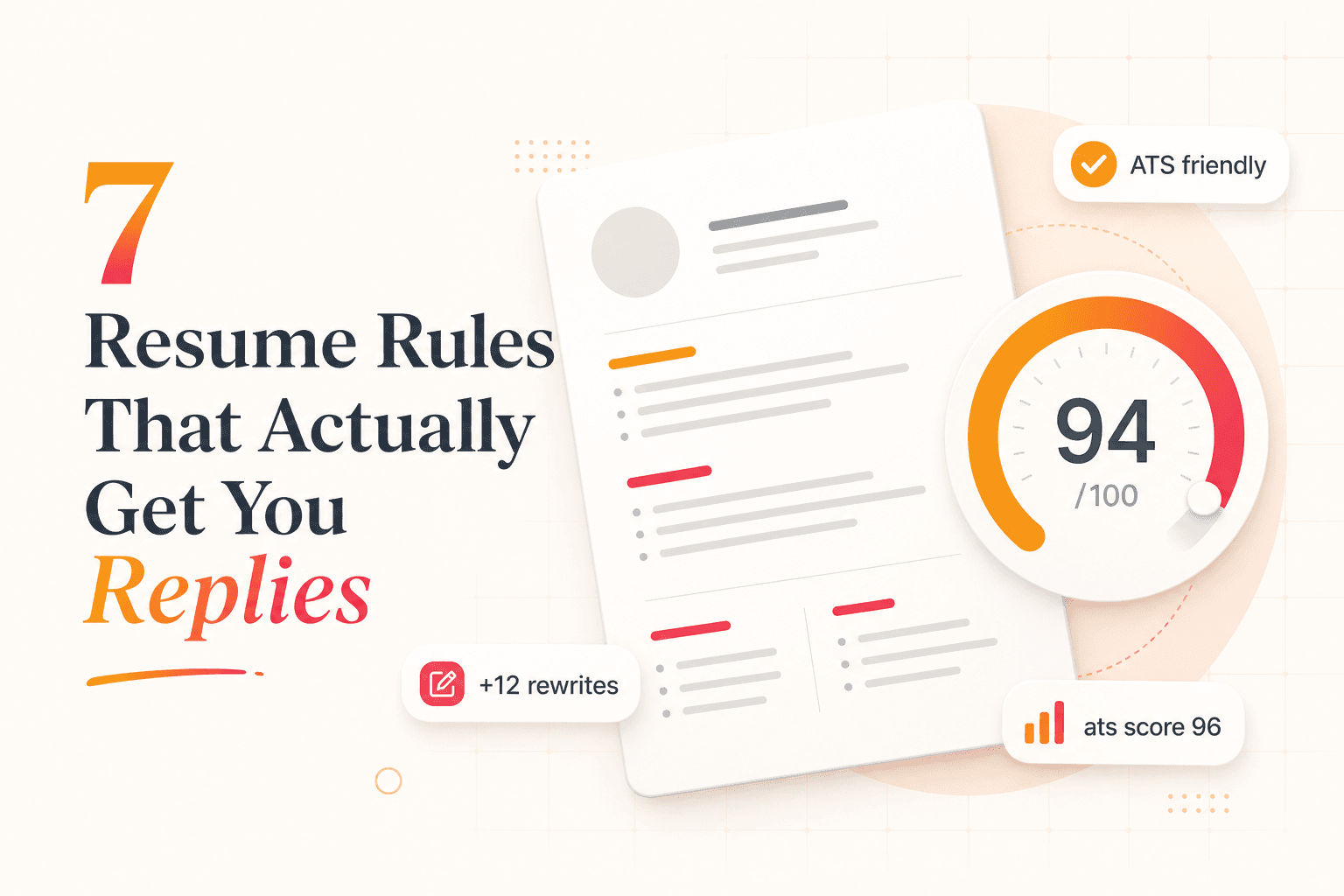
What 7.4 seconds really feels like
Recruiters spend an average of 7.4 seconds on a first scan of a resume. Most candidates hear that stat and try to do too much: rewrite their summary, restructure their formatting, and replace every verb. Then they wonder why the interviews still aren't coming.
After running the PathWand resume review program for thousands of candidates, we noticed a much smaller pattern. Seven things consistently move resumes from "applied" to "interview" — and most of the rest is noise.
1. Lead each role with the result, not the responsibility
Bad: "Responsible for migrating the analytics pipeline to AWS."
Good: "Cut analytics pipeline cost 38% by migrating from a managed BI tool to AWS Glue + Athena."
The first sentence in every role bullet should answer "what changed because you were there?". If you can't put a number on it, put a comparison (cut, reduced, accelerated, replaced).
2. Front-load the keywords your target role actually uses
Open three real job postings for the role you want. Highlight every noun that appears in two or more. Those are your keywords — not the words your last manager used.
Mirror those keywords in your headline, your summary, and the first bullet of each role. ATS systems aren't magic; they look at exactly what's there.
3. One page until you've shipped 7+ years
If you have less than seven years of experience, a one-page resume is almost always better. Two-page resumes make recruiters skim more, not read more.
The exception is research/PhD-track applications, where reviewers expect publications and citations.
4. Drop the skills cloud
A wall of 40 logos for every framework you've touched is doing nothing. Recruiters trust skills they see applied inside your bullets — not floating in a sidebar.
Pick the 5–7 skills you'd want to be interviewed on and let the rest of the resume prove them.
5. Quantify with the unit your reader cares about
A backend engineer's quantification ("reduced p95 latency by 22%") lands differently with a recruiter than with a hiring manager. The recruiter cares more about scale ("services serving 4M monthly actives"). Whenever possible, quantify with both — one number for the recruiter pass, one for the manager pass.
6. Cut the objective. Replace with a 2-line headline.
Objectives ("Seeking a role where I can grow…") have been dead for a decade. The 2-line headline they replaced is much more useful: a one-line role identity and a one-line signal of the work you actually want.
Senior frontend engineer (React + TypeScript) · Past: Stripe, Cloudflare
Looking for a high-leverage IC role on a small team shipping to scale.
7. Save before you submit, not the night before
The single biggest reason to start your resume review at least two weeks before you start applying: you'll catch confidence issues, not just typos. Tone-deaf phrasing, defensive bullets, gaps that you didn't even notice — these only surface after you've sat with the document for a few days.
The PathWand resume review program is built around this. Three structured passes over two weeks, each with a different kind of feedback. By the time you start applying, the document feels like yours — and the replies follow.
Want a review on your own resume?
We run a self-guided resume review program with senior engineering and recruiting reviewers, plus an ATS-readiness score that uses the same heuristics most large hiring teams use.
Three rounds of structured feedback, ATS calibration and a final QA pass — all in two weeks.
More from PathWand
7 Resume Rules That Actually Get You Replies
Recruiters spend an average of 7.4 seconds on a resume. After reviewing thousands of resumes through the PathWand resume review program, we distilled the rules that consistently move candidates from "applied" to "interview" — and the ones you can safely ignore.
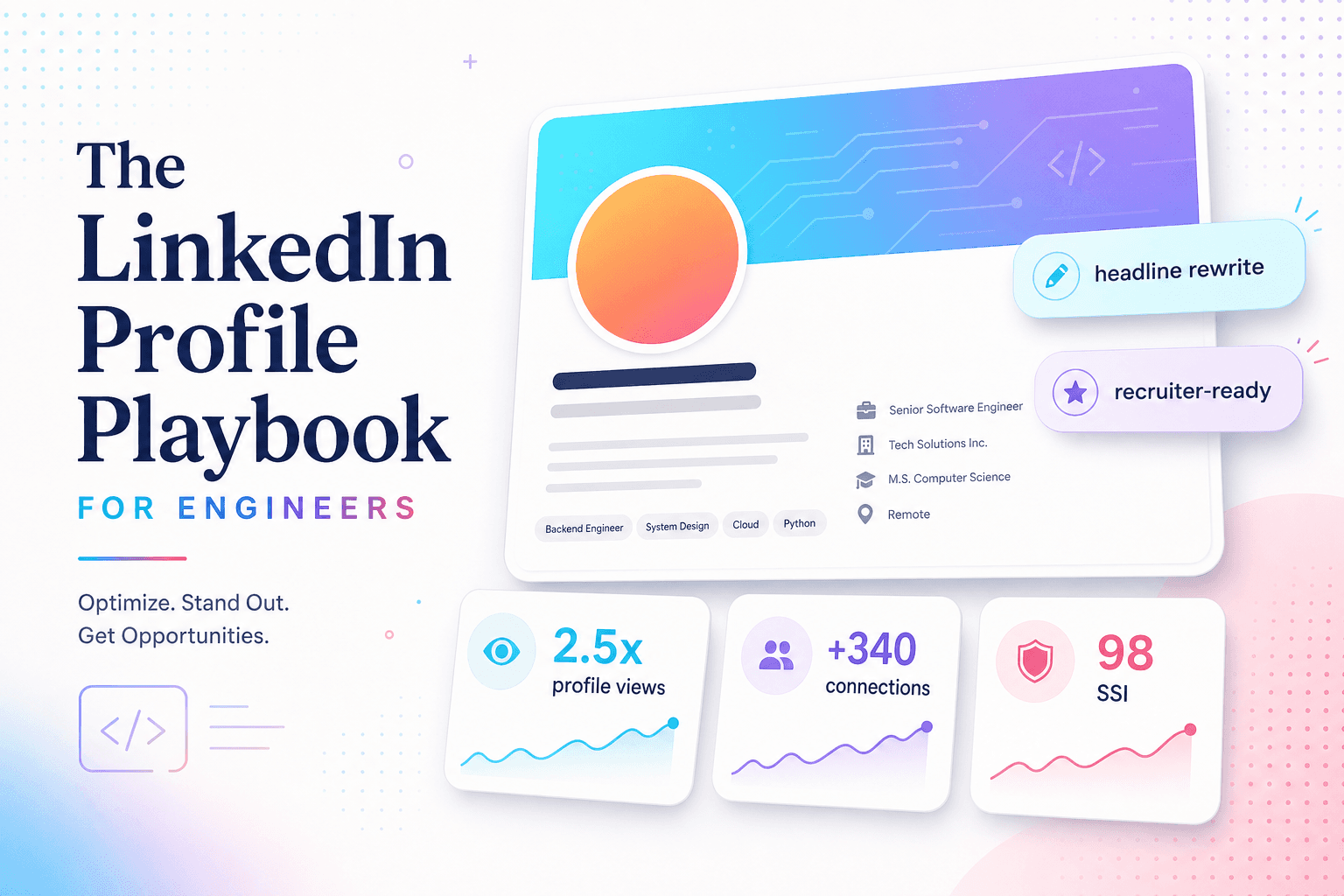
The LinkedIn Profile Playbook for Engineers
Most engineering profiles on LinkedIn are technically accurate and emotionally invisible. Here's the PathWand playbook we use to triple recruiter outreach — without performative posts or buzzwords.
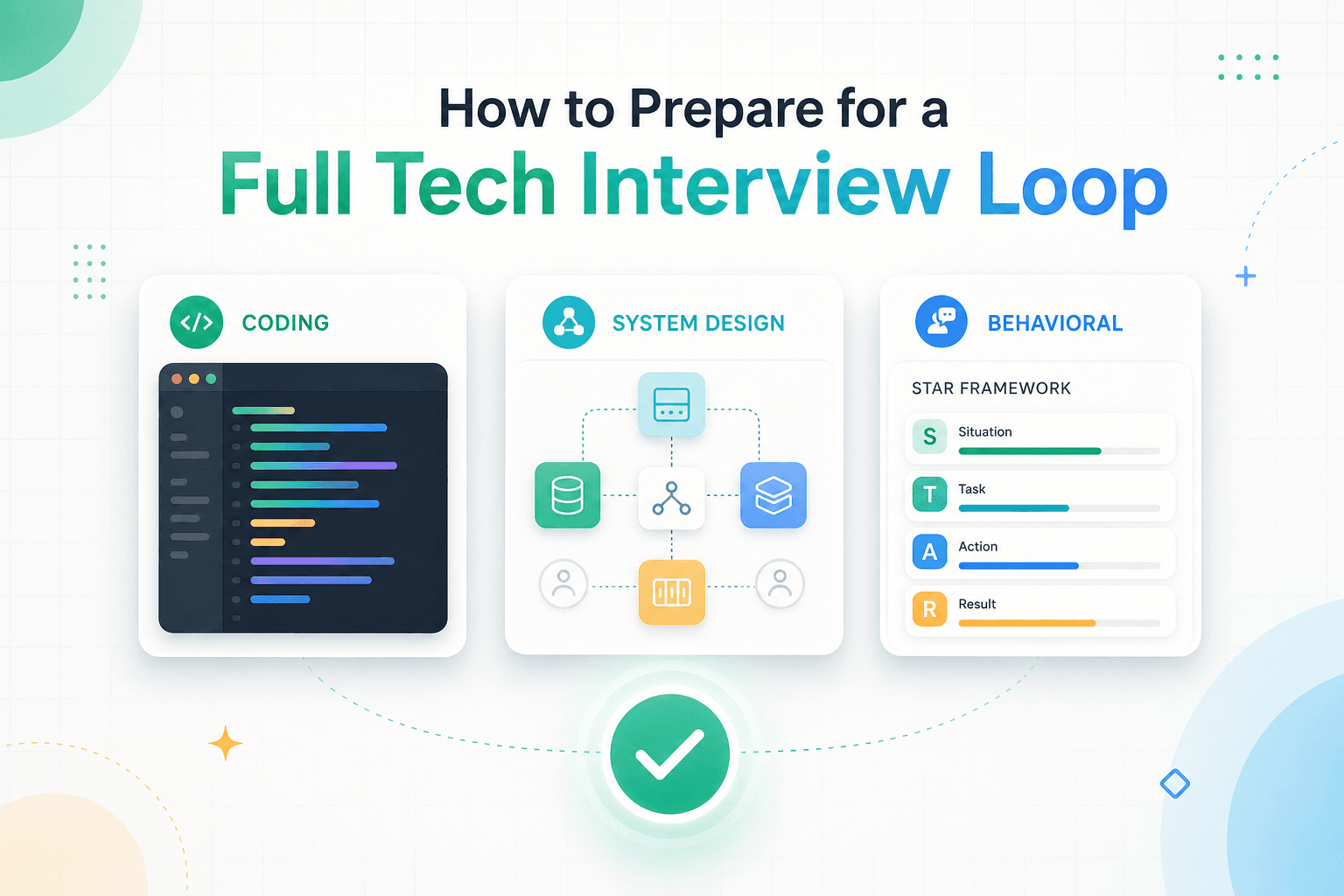
How to Prepare for a Full Tech Interview Loop
A 4-week study plan for full interview loops at product companies — coding, system design, behavioral — built from the same prep we use inside the PathWand Tech Fellowship.