Sophomore Internships Are The Hidden Hiring Edge
Most internship programs only open to juniors. The companies that start a year earlier have measurably better full-time conversion, lower recruiting cost, and stronger cohort culture.
February 18, 2026 · 6 mins
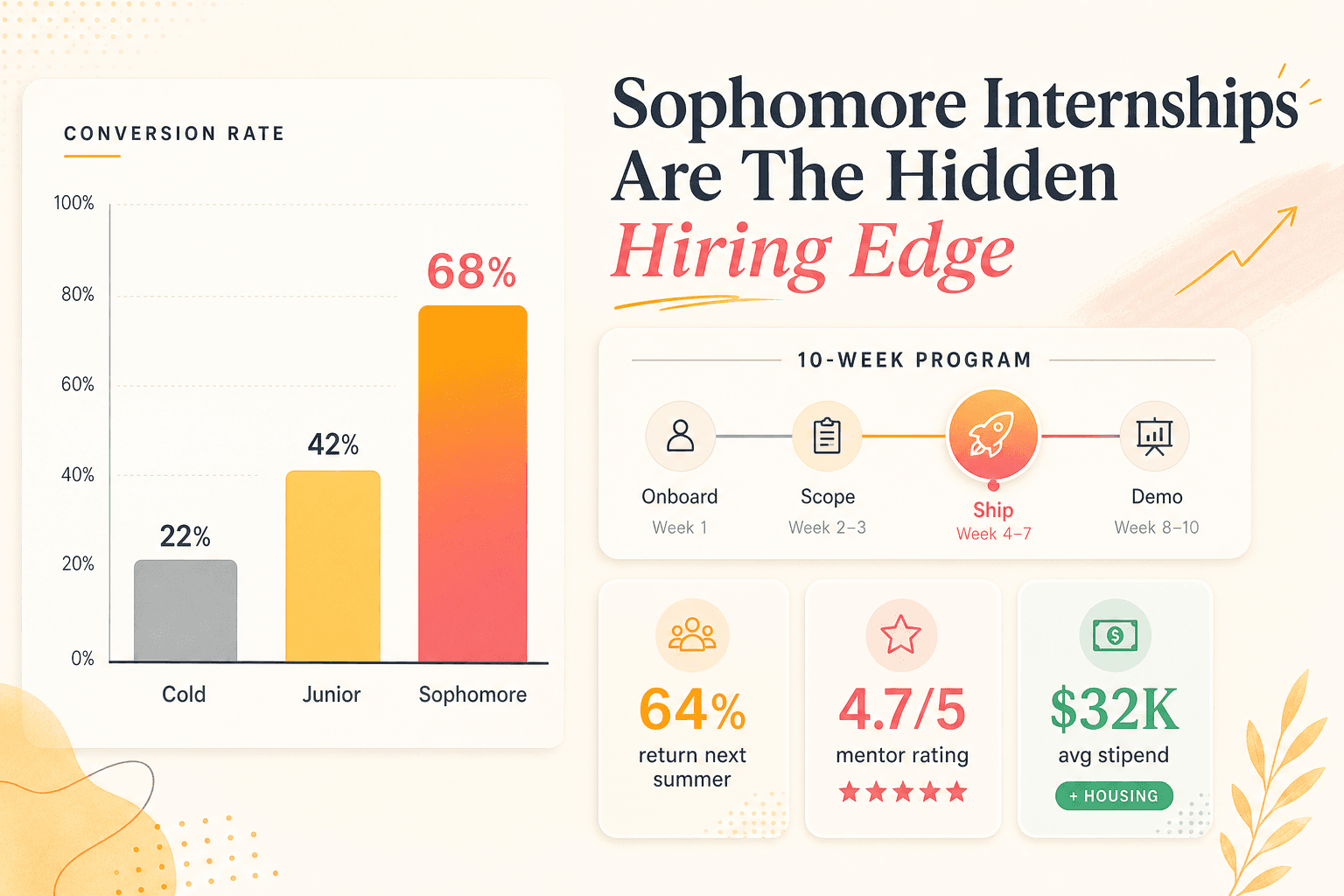
The math nobody is doing
Every year, large engineering orgs spend a small fortune on full-time new-grad recruiting: career fairs, relocation packages, sign-on bonuses, recruiter time, hiring committee cycles.
And every year, a small set of companies — quietly, without much fanfare — recruits a different way. They hire sophomores.
After running our partner internship programs across 80+ host companies, the math is no longer subtle. Companies that hire sophomore interns get:
- 3× higher full-time conversion vs. cold-recruited new grads
- 64% return rate as junior interns the following summer
- 40–50% lower per-hire recruiting cost by the time those sophomores convert
That last number is the one most leadership teams miss.
Why the math works
Three reinforcing reasons.
1. Loyalty compounds with time. A sophomore who has a great summer at your company has built a 2-year relationship with you by the time they're choosing between offers. A new-grad you cold-recruit has built none.
2. Conversion is cheaper than top-of-funnel. A returning intern doesn't need a recruiter to find them, doesn't need a hiring committee to evaluate them (you already have a year of evidence), and doesn't need a sign-on bonus to convince them.
3. Sophomore interns help your hiring brand. They go back to campus and become the most credible recruiters you have. You can't buy that energy at a career fair.
Why most companies don't do it
The honest reasons:
- It feels too early. "What can a sophomore even do?" (Answer: more than you think, with the right scaffolding.)
- Nobody owns it. Sophomore intern programs sit awkwardly between recruiting, engineering and HR.
- The first cohort is hard. Setting up scoped feature work, mentor pairings, and a curriculum is a lot for one team to do alone.
But none of these are real reasons not to do it. They're reasons to partner with someone who's done it before.
What a great sophomore internship looks like
We've seen what works at scale. The pattern:
- 10 weeks — long enough to ship something real, short enough to plan around.
- Pair-programmed feature work, not solo R&D.
- One senior IC mentor plus a check-in mentor outside the team for psychological safety.
- Weekly retros where the cohort itself owns improvements.
- Demo Day at the end where each intern presents to a wider audience.
The interns who've gone through programs with this shape don't talk about it like an internship — they talk about it like the first quarter of their engineering career.
What to fix in your existing junior intern program
If you already run junior intern programs, you can pull half this lift forward by changing one thing: reserve seats in your junior program for sophomores who are doing meaningful pre-college engineering work, especially through partner programs.
You don't need to launch a sophomore program. You can start by reserving 10–20% of next summer's junior cohort for sophomore-level talent and seeing what happens to your conversion rate.
Want to run a sophomore cohort next summer?
PathWand designs and runs sophomore internship cohorts end-to-end for partner companies. We handle scoping, mentor enablement, the cohort curriculum, and the conversion playbook for the following year. You hire the interns; we make sure the program produces engineers you actually want back.
Cohorts open in October for the following summer. Limited slots — partner companies get first pick.
More from PathWand
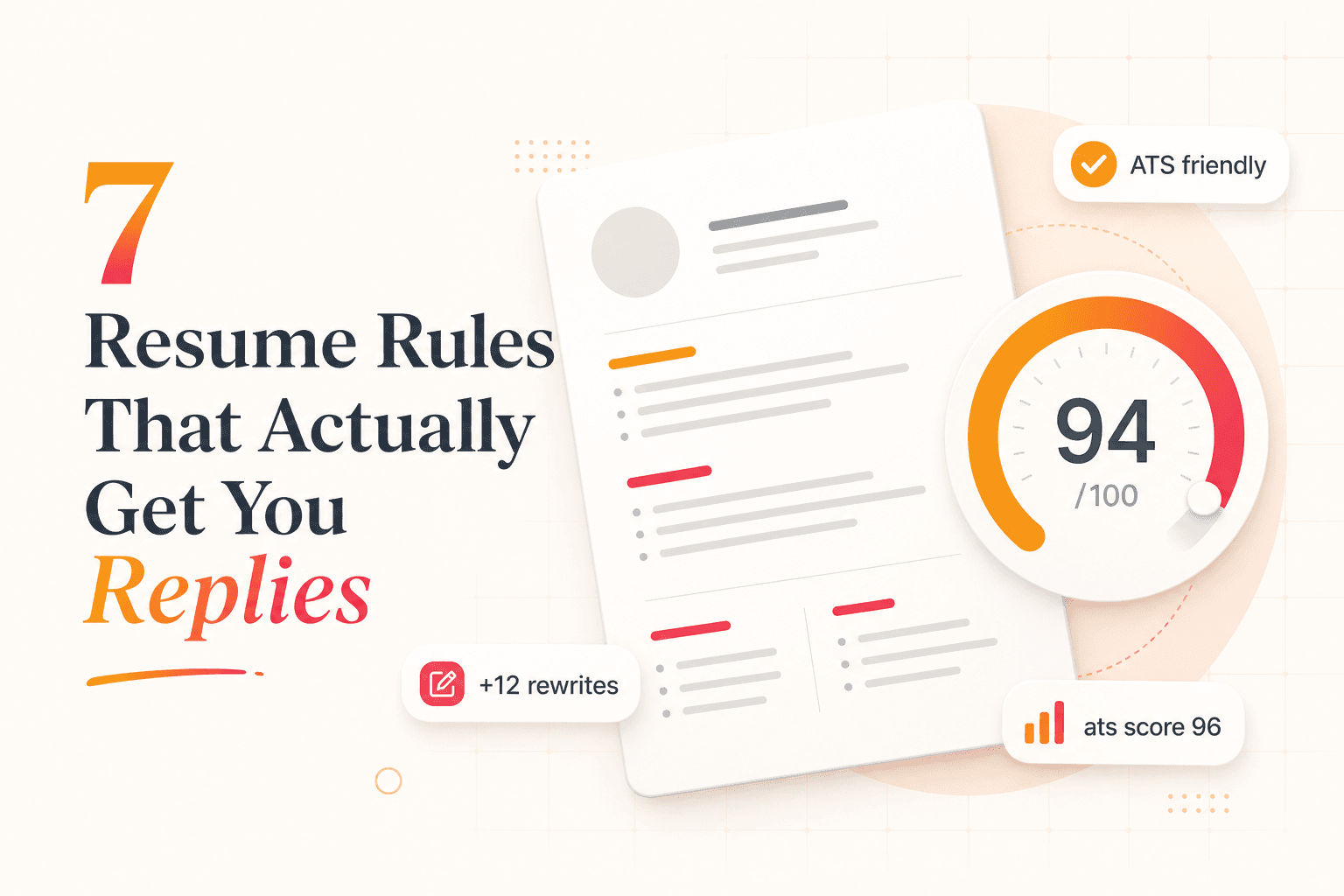
7 Resume Rules That Actually Get You Replies
Recruiters spend an average of 7.4 seconds on a resume. After reviewing thousands of resumes through the PathWand resume review program, we distilled the rules that consistently move candidates from "applied" to "interview" — and the ones you can safely ignore.
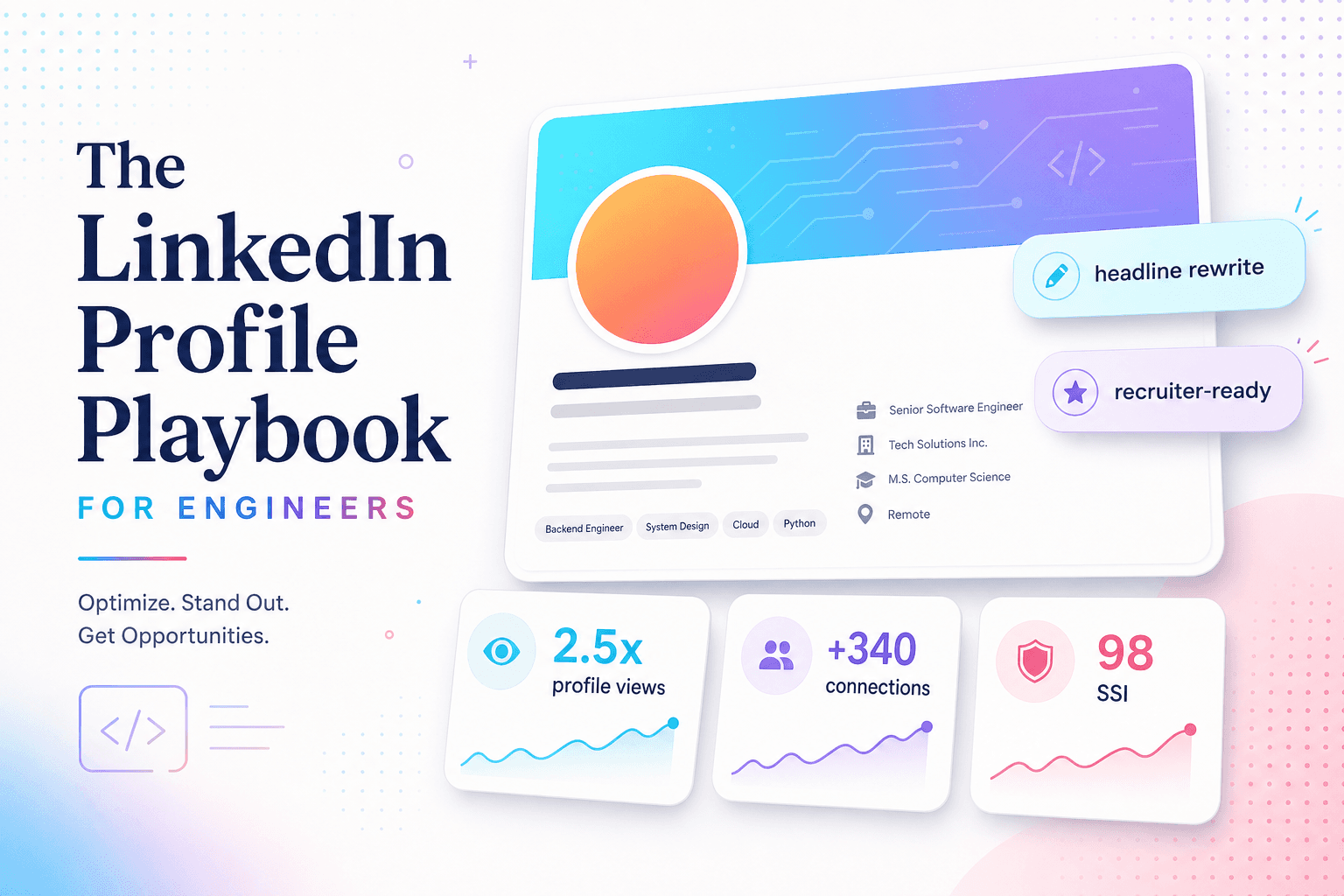
The LinkedIn Profile Playbook for Engineers
Most engineering profiles on LinkedIn are technically accurate and emotionally invisible. Here's the PathWand playbook we use to triple recruiter outreach — without performative posts or buzzwords.
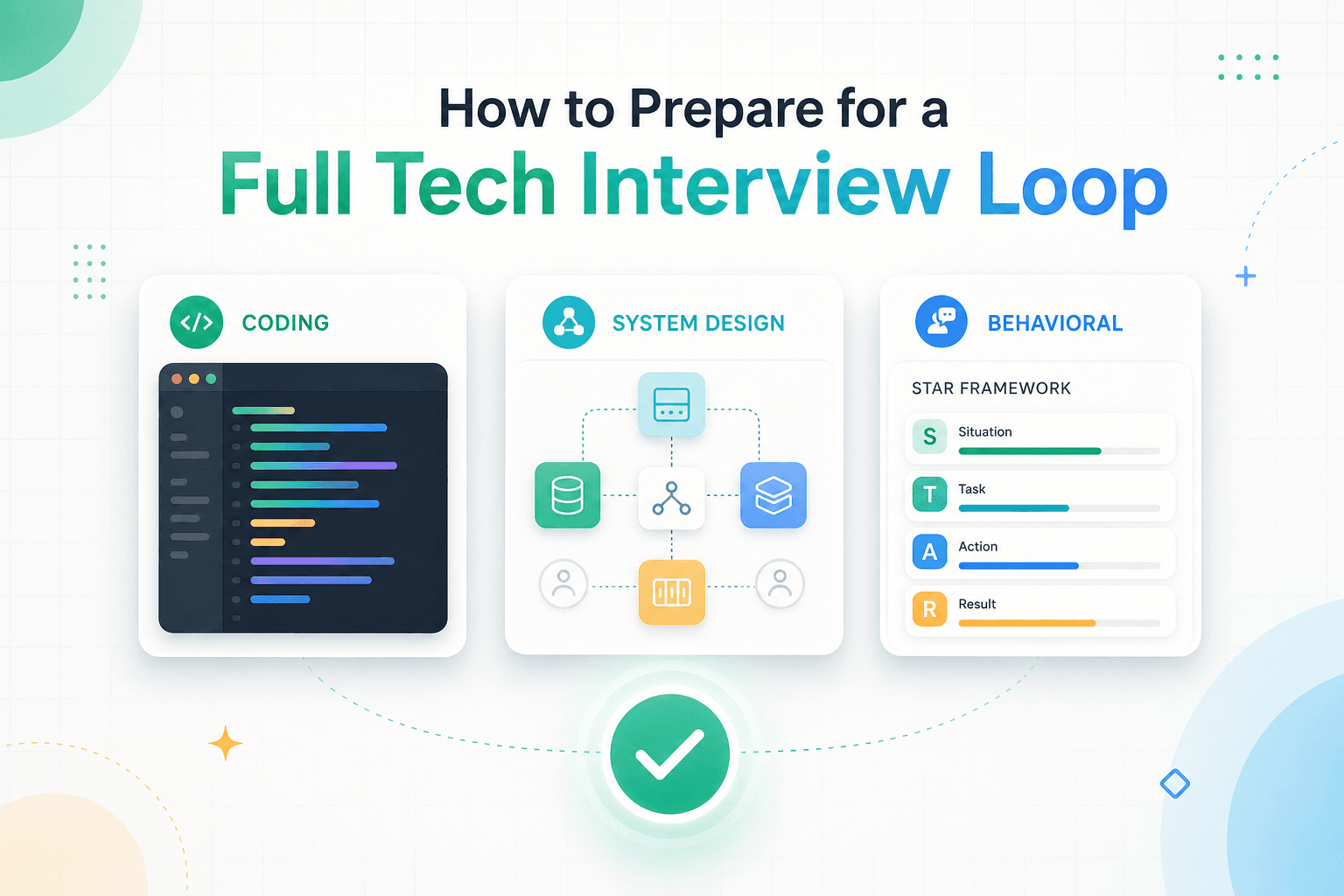
How to Prepare for a Full Tech Interview Loop
A 4-week study plan for full interview loops at product companies — coding, system design, behavioral — built from the same prep we use inside the PathWand Tech Fellowship.